Google considers the majority of the content on the entire web highly irrelevant and useless to its users. That’s why such a large percentage (as much as 94%) of the entire web is not returned in Google Search. One notable feature is its “I’m feeling lucky” button, reminiscent of Google’s counterpart, which displays searches for a random keyword chosen from popular searches on OnionLand. This adds an element of spontaneity and discovery to the browsing process.
Myth 1: The Dark Web Is Only Used For Illegal Activities
Talking about copycats and potential risks, due to its high risk and low signal-to-noise ratio for legitimate content, we advise beginners and privacy-conscious users to avoid The Hidden Wiki. If you must explore sites like The Hidden Wiki, do so with extreme skepticism, never download files, never enter personal info, and never send cryptocurrency to unknown sites. You might have arrived here through Google, but you’ll be hard pressed to use Google to get to the dark web. Although it’s not a search engine, it offers a categorized directory with indexed links to .onion web pages. While the Hidden Wiki isn’t entirely unrestricted, and uses filters to block many dangerous sites, it still lists some dubious sites that other search engines block. Its text-only mode offers safe, sanitised content inspection, while integrated Tor browsing ensures secure, anonymised access to underground forums.

Why Is Using A VPN Important When Accessing The Dark Web?
Tails never writes anything to the computer’s hard drive, running only from the RAM of the computer, which is wiped clean when the computer is shut down. Government cyber teams can take such websites down, arrest the owners and then use the website to track and follow users that show activity on the website. But remember, it’s essential to take all the necessary and important security steps before entering such sites on the dark web. As mentioned before, your ISP and government institutions are not able to see what sites you visit on the Tor network, but they can probably see that you use Tor. When you install a VPN, all of your activities on the dark web will be hidden from unwanted snoops from your ISP or the FBI. The VPN is a second layer of extra protection, on top of the protection that the Tor network already offers.
Alternative Anonymous Networks

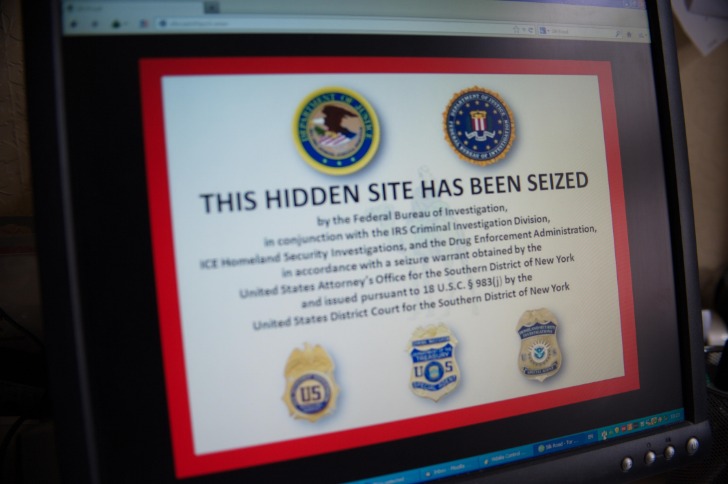
By following these precautions, you can explore the dark web with a greater degree of safety and security. It also offers a comprehensive list of marketplaces, exchanges, and websites linked to fraudulent activities, helping you stay informed. The dark web is a double-edged sword, offering anonymity but also posing significant risks. It’s a hub for illicit activities, with cybercriminals ready to exploit any weakness. Without the right precautions, your IP address could be exposed, leaving you vulnerable to hacking, tracking, or even identity theft. Law enforcement agencies keep an ear to the ground on the dark web looking for stolen data from recent security breaches that might lead to a trail to the perpetrators.
Hidden Wiki

The most common method to access the dark web is through the Tor network, which uses the Tor Browser. Tor, short for “The Onion Router,” anonymizes users’ internet activities by routing their connections through a series of volunteer-operated servers around the world. This process masks users’ identities and locations, providing high privacy and security. Social networks, such as Facebook, have created dark web versions of their sites to address privacy problems related to their surface web versions.
Launched around 2007, The Hidden Wiki is a legendary entry point to the dark web, though not a traditional dark web search engine. It’s a community-maintained directory of .onion links, organized into categories like forums, marketplaces, privacy tools, and file-sharing services. Security features play a critical role in selecting a safe deep web search engine. These features protect your data and enhance your browsing experience.
- Navigating .onion sites requires the Tor Browser, specifically designed for privacy and accessing the dark web.
- It stands out for not tracking user activities or saving search histories, ensuring a private browsing experience.
- NotEvil’s addition enhances the toolkit, offering a beginner-friendly, privacy-focused option for safe exploration.
- Always choose a search engine that prioritizes encryption and user anonymity.
- It’s important to note that while the dark web can be used for legitimate purposes, such as protecting the privacy of activists and journalists, it can also host illegal activities.
Avira Internet Security
Some of the top recommended dark web search engines include Torch, Ahmia, DuckDuckGo, Haystak, and Not Evil. Each of these search engines offers unique features and focuses on user privacy, making them suitable for safe browsing in the dark web. Each search engine brings unique features and advantages to the table.
In 2002 the dark web began to grow significantly when researchers backed by the U.S. Journalists in overly restrictive countries also appreciate the anonymity of the dark web. For example, the deep web is often a platform used by political activists who own a blog.

Is The Dark Web Illegal?
Once you have those, there are several ways to tunnel through the dark web. By using Tor, and especially in combination with a VPN, your internet signal is encrypted, making it invisible to your ISP. Unlike regular browsers that directly connect to websites via your ISP’s DNS, Tor anonymizes your journey by routing your request through several relays before reaching its destination. The Dark Web is a hidden part of the internet, completely different from the clear web we all use daily. When you search for something on Google or Bing, you’re using the clear web.
Another major development was the rise of cryptocurrencies like Bitcoin. These digital currencies enable untraceable financial transactions, which have become a cornerstone of deep web activities. While this has facilitated legitimate e-commerce, it has also contributed to the growth of cybercrime.
- It can only be accessed through specialized software such as the Tor browser.
- Notably, LibreY supports dark web image search, text results, and torrent links.
- They often required users to manually navigate directories or rely on basic search protocols.
- It doesn’t track searches or store personal data, making it a strong option for users seeking more anonymous private browsing.
- If you require advanced features for research, consider upgrading to the premium version.
The best thing about this search engine is it doesn’t support abusive material. If you find any such thing in its index, you can report that for the quickest removal. So, it is a safe way to dip your toes into the deep web without compromising your anonymity. Moreover, its easy-to-use and minimal UI can be used and managed by almost anyone. Always protect your identity by using a Virtual Private Network (VPN).

Though the dark web offers anonymity for journalists and activists in oppressive regimes, it raises many ethical concerns. In this article, we will unpack everything you should know about what the dark web is, how it works, how to surf it safely, and more. Use Norton VPN to encrypt the data you send and receive and surf more anonymously. This tool provides suggestions and enhancements, allowing you to create a polished final product.
Onion Links: How To Access Them
You’ll need a dark web search engine, and we’ve compiled the best ones for you to try. WormWeb is a user-friendly search engine built specifically for the dark web, providing quick and easy access to .onion websites. Yes, if you’re using tools like Tor, a VPN, and avoiding suspicious links, these search engines can be safe when used responsibly. Being hidden doesn’t translate into being completely protected from the possibility of tracking, or, when it comes to illegal activities, of risk. However, it’s up to us to take control of our personal privacy in a world of bulk data collection, surveillance, and personalized ad tracking.