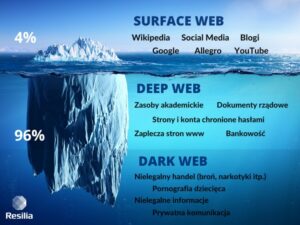
Now equipped with an overview of these essential dark web search engines, you’re ready to conduct your own searches confidently and securely. Regular search engines like Google use “crawlers” to index their pages, following links from known web addresses to index other linked pages. The dark web also uses a different protocol that a regular browser doesn’t follow.
This will help you to remain anonymous and secure at all Tor entry and exit nodes. It uses TrustedServer technology on the entire server network to wipe out your data after every session. ExpressVPN is an excellent choice for Tor and accessing the Dark Web.
Are Onion Sites Safe?
Hidden Answers is an uncensored and anonymous forum that’s essentially a dark web version of websites like Reddit. On it, people can ask any question; no discussion will be taken down or moderated. As such, although a valuable conduit of free speech, the content on Hidden Answers can be distressing, disturbing, and potentially illegal.
Types Of Dark Web Sites (and What Really Goes On There)
For those who seek even more from their dark web explorations, Haystak offers a premium version. This includes access to historical content, email alerts, and the ability to explore defunct onion sites. The premium version is perfect for users who need a deeper dive into the dark web’s hidden realms. In short, both methods help you explore, but dark web search engines provide more safety and reliability. Directories like the Hidden Wiki can serve as introductions, but search engines are a better long-term tool for finding real and updated onion sites in 2025.
User Interface And Usability
- A real dark web search engine focuses on clean results and basic functionality.
- Torch, short for “Tor Search,” is one of the oldest dark web search engines, operational since at least 2010.
- This period saw dark web search engines diversify, catering to varied user needs—scale, safety, and accuracy.
- It routes your traffic through multiple relays, making it extremely difficult to trace your activity.
- Subjects include agriculture, education, history, medicine, law, military science, science technology, and more.
This includes private databases, medical records, academic journals, subscription-based content, and even your email account. It comprises any part of the web that requires specific credentials or isn’t indexed publicly. As you venture more profoundly, it’s essential to equip yourself with the right tools. Familiarise yourself with specialised search engines like DuckDuckGo or Ahmia, which can help you unearth content that standard browsers hide.

Choose Safe Engines
It also boasts that no personal information is required to use the service, and payment can be made with cryptocurrency. A favorite of journalists and their anonymous sources, SecureDrop makes it easy to share confidential information without revealing your identity. Many news publications, like the ones listed above, have a SecureDrop on their .onion sites. Founded around 1999 by activists in Seattle, it has since grown to over six million users worldwide. It publishes a newsletter in multiple languages and not only runs onion services for its website but all its email and chat services. Unlike Ahmia and Haystak, however, DuckDuckGo doesn’t search .onion sites.

How To Find New, Active Dark Web Links
On the deep web, you can find such “private” information on web pages. But before we get into that, it’s important to understand the differences between the surface web, deep web, and dark web. So, even though it does exist on the internet, Google doesn’t index any of these pages or content. We are reader supported and sometimes earn a commission if you buy through a link on our site. Another major development was the rise of cryptocurrencies like Bitcoin. These digital currencies enable untraceable financial transactions, which have become a cornerstone of deep web activities.
What Emerging Dark Web Search Engines Should I Watch In 2025?
It’s, ironically, more conspicuous than using popular browsers and sites. Dark web search engines operate by indexing websites that have the .onion extension, which are not accessible through standard web browsers. They use specific algorithms to deliver relevant pages while ensuring user privacy and anonymity. Torlinks (2019) and The Hidden Wiki evolved with V3 .onion support, reinforcing directories’ role in structured navigation. By 2025, dark web search engines balance accessibility, security, and scale, reflecting the dark web’s maturation into a complex, multifaceted ecosystem. Naval Research Laboratory, enabled anonymous browsing via onion routing.
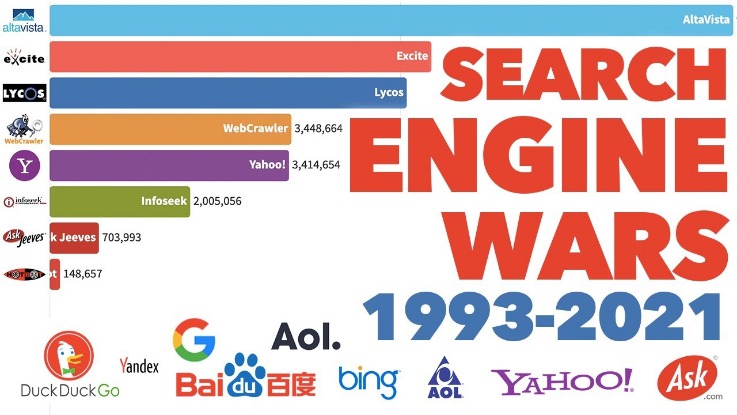
However, most are outdated and have not kept up with the changing landscape. For example, DuckDuckGo is the most popular but often shows repetitive results and is sometimes unrelated to the question. A top-of-the-line VPN network that ensures maximum security while accessing dark sites online.
Understanding this history helps users choose engines aligned with their goals—safety (Ahmia, NotEvil), depth (Haystak, Torch), or precision (DeepSearch). I also struggled to find NotEvil’s latest .onion address, resorting to DuckDuckGo to confirm it via a security blog. NotEvil’s balance of safety and scale was promising, but its inconsistencies required vigilance. The “File Sharing” category saved time, pointing to an active .onion site, but I needed DeepSearch for a specific query (“secure file share onion”). Torlinks’ structure is a lifesaver for quick navigation, but its inconsistencies require cross-checking.
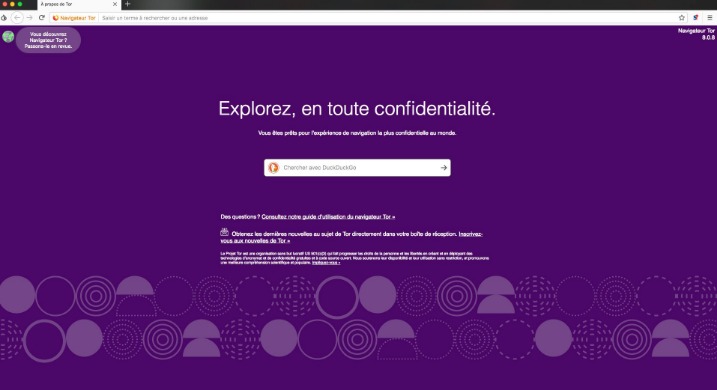
Your real information could be exposed at these nodes, allowing third parties to intercept your dark web activity. That’s why we recommend connecting to VPN before accessing Tor—VPN encryption protects your data, and changing your IP adds an extra layer of privacy to protect you. The dark web will continue evolving, impacting how we perceive privacy and freedom online. With tools like Forest VPN, we can explore this digital frontier securely. Renowned for its privacy-centric approach, DuckDuckGo has a version accessible via Tor, ensuring no logs of your searches are kept.
If you try clicking on these links, you’ll get an error message that the site is inaccessible. In the end, the safest way to use dark web search engines is with caution and preparation. They are valuable tools for discovering hidden sites, but they are not a guarantee of safety.
This makes it especially useful for those who want to explore current communities, forums, and projects without relying on outdated directories. While names like Ahmia and Torch dominate conversations about dark web search engines, Phobos has been quietly gaining attention. In 2025, it is emerging as one of the fastest-growing options for people who want a fresh alternative to older engines. Its design is modern, lightweight, and focused on speed, which sets it apart from many of the more established tools. It allows researchers, cybersecurity experts, and journalists to dig deeper and uncover information that would otherwise remain hidden. Another reason people trust Ahmia is its connection to researchers and the privacy community.