However, most excited delirium deaths that occur while on a monitor have shown asystolic or ventricular escape rhythms and have not been secondary to prolonged QT syndrome degenerating to ventricular tachycardia or ventricular fibrillation 47. However, given the black box warning regarding neuroleptics causing QT prolongation and small risk for ventricular dysrhythmias, if a patient is known to have QT prolongation, neuroleptics may be avoided. Despite this, neuroleptics have a long clinical history of safe use for chemical restraint in undifferentiated agitation and may offer a mechanism by which to regulate dopamine in excited delirium 46, 48–50. Studies by Battaglia and Bieniek et al. showed superior efficacy with a combination of haloperidol and lorazapam as compared to either drug alone for psychotic agitation 49. Additionally, in addition to their prominent therapeutic applications, it is worth mentioning the recreational use of a long list of alkaloids incorporating the aforementioned moiety (“designer drugs”) 2, responsible for drug abuse-related conditions 3,4,5,6,7,8. Surprisingly, the literature lacks a comprehensive summary that bundles up 2-phenethylamine-based structures and known therapeutic targets, including basic hits or advanced leads.
Take Your Time:
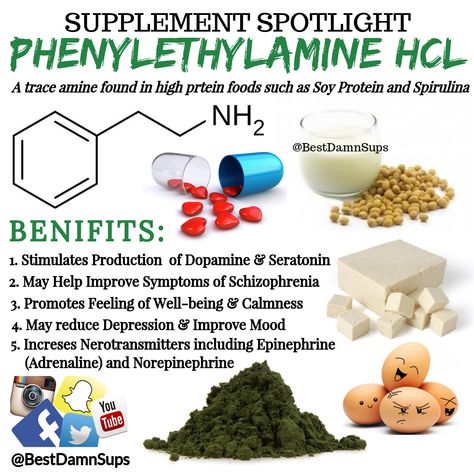
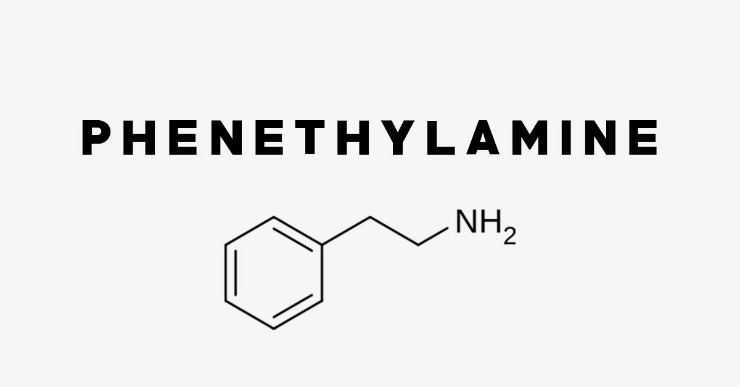
Phenylethylamine, the molecular base of these drugs, is crucial for recognition and activity. Modifications in the side chain attached to the amine group of the molecular base can alter selectivity between ⍺ and β adrenergic receptors. The β receptor orientation is related to a larger volume of the substituent on the amine group and the α receptor orientation to a smaller volume of the same substituent. Some studies on drugs and substances with antagonist activity on α1A receptors have identified portions of molecules as pharmacophores involved in the recognition of the receptor and the production of a biological effect. Hence, it is essential to consider all available information on binding orientation and the structure-activity relationship to rationalize drug design 16,17. DAT lowers the concentration of DA in the synaptic cleft, and thereby influences the signaling or regulatory processes of dopaminergic neurons.
Here too, stimulus effects were dose-dependent.20 Eventually, we settled on the phenylalkylamine hallucinogen DOM (11) as training drug. Rats were trained to discriminate 1.0 mg/kg (i.p.) of DOM from saline vehicle (i.e., the non-drug condition) and tests of stimulus generalization and stimulus antagonism were conducted. The drug discrimination paradigm is a behavioral procedure whereby animals, typically rats, are trained to recognize the “stimulus” or “cueing” properties of a given dose of a training drug versus non-drug using a two-lever operant chamber. Training on drug and non-drug (i.e., typically vehicle) conditions, with (sweetened condensed milk or solid food pellet) re-enforcement, continues daily.
- The results are noteworthy because they showed that the stimulus effects of certain indolalkylamines, as well as phenylalkylamines, might be explained by the Venn diagram depicted in Figure 10.
- Note that the numbers in parentheses (1, 2, etc.) are clickable links to these studies.
- As the recreational use of phenethylamines has grown6, diverse harmful effects have been reported1.
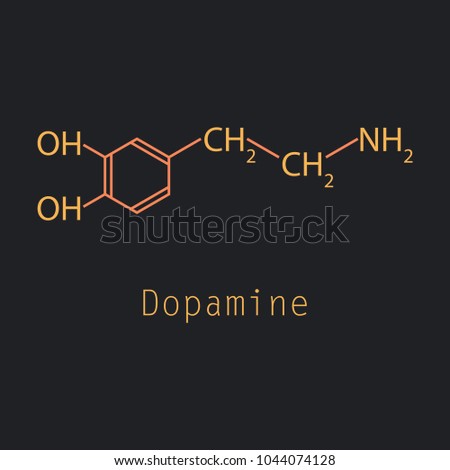
- The relationship between PEA and dopamine is so intertwined that understanding one inevitably leads to insights about the other.
- The docking based on Vina family commonly showed that the 4-methylphenyl ring (R2) of compound 28 was attached to Phe76 of helix 1, Val152 and Tyr156 of helix 3, and Ser422 of helix 8.
- The reagent contains the 7-aminoactinomycin D (7-AAD), a cell non-permeant dye, that allows discrimination between live and dead cells and the Annexin-V-PE that allows the identification of apoptotic cells by binding the phosphatidylserine on the cell surface.
5-HT6 Receptor Ligands
Patients with apparent intoxication should have an intravenous line and be placed on a cardiac monitor. Patients presenting with dysphoria should be placed in a calm and quiet environment until signs and symptoms of intoxication are minimized 44. Rapid sedation, fluid resuscitation, and reduction of hyperthermia are the foundation of excited delirium treatment. If autonomic hyperactivity secondary to abnormal dopamine processing is to blame for the clinical presentation of excited delirium, then rapid sedation of the patient and attenuation of catecholamines is the goal. Benzodiazepines, neuroleptics, or both in combination are commonly used to treat agitated patients. However, to date, there are not published double-blind, randomized, placebo controlled trials comparing the efficacy and safety of benzodiazepines to neuroleptics or the combination of benzodiazepines and neuroleptics in 2C intoxication or excited delirium.
Clinical Pearls:
Here, it was demonstrated that certain conformationally-constrained phenylalkylamines lack many of the actions of their flexible counterparts and open new vistas for further research. For many years, the tritiated version of the 5-HT2 receptor antagonist ketanserin, 3Hketanserin, introduced by Janssen Pharmaceutica was employed as a radioligand for labeling 5-HT2 receptors; it is still used today. As an aside, probably the two synthetic agents to make the greatest impact on early 5-HT receptor research since the discovery of 5-HT itself (in my opinion), were the 5-HT2 receptor antagonist ketanserin and the 5-HT1A receptor agonist 8-OH DPAT (7). I do feel it for about 30 minutes, especially if I take a break for a day or two. Doesn’t seem like it with such a short half life and is being taken once a day but I’m just curious since I get conflicting views.
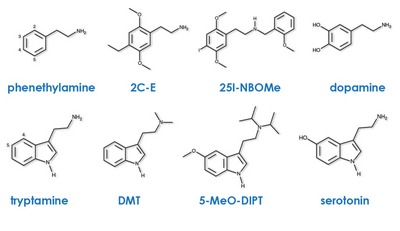
Pairing these will present an appealing opportunity to both new and experienced researchers to summarize 2-phenethylamines target binding and therapeutic scope, as well as selectivity/antitarget issues. Considering all these, a review covering the medicinal chemistry landscape is presented here as a brief, central resource linking up 2-phenethylamine hits and receptors. From the structural point of view, 2-phenethylamines present a vast therapeutic chemical space, not just as is, but considering different substitutions, functional group decorations, ring enclosures or heteroaromatic analogues.
David Connell
It has long been established that the DA released into the synaptic cleft following an action potential positively feeds back onto the DAT function to increase the DA clearance rate. In accordance with this hypothesis, studies from mouse brain showed that DAT exerts inhibitory activities on D2R signaling activities (Ghisi et al., 2009) but the presynaptic D2R exerts stimulatory influences on DAT activity (Meiergerd et al., 1993; Dickinson et al., 1999). To determine whether the β-PEAs that inhibited the DAT activity altered the functional activity of D2R, we selected two β-PEAs and determined their effects on the endocytosis of D2R. Dopamine transporter (DAT) plays a key role in terminating DA neurotransmission by reuptaking DA released into synapses (Carroll et al., 1999; Enyedy et al., 2003). DAT belongs to the solute carrier superfamily and is characterized by twelve transmembrane domains. It reuptakes synaptic DA released from presynaptic neurons by utilizing the energy of the sodium gradient generated by Na+/K+-ATPase (Kilty et al., 1991; Shimada et al., 1991).
The phencylidine area, phenylcyclohexylpiperidine or PCP, is represented by a number of benzyl amines. These are all analgesics and anesthetics with central properties far removed from the stimulant area, and are not really part of this book. There is a benzyl amine that is a pure stimulant, which has been closely compared to amphetamine in its action This is benzylpiperazine, a base that is active in the 20 to 100 milligram range, but which has an acceptability similar to amphetamine.

After, a total of 2000 events were acquired and analyzed by Guava Nexin software. All flow cytometry analysis reported below were performed using a Guava easyCyte 5HT flow cytometer equipped with a class IIIb laser operating at 488 nm (Luminex Corporation, Austin, TX, USA). Human TK6 lymphoblast cells were purchased by Sigma-Aldrich (St. Louis, Missouri, USA) and were grown at 37 °C and 5% CO2 in RPMI-1640 supplemented with 10% FBS, 1% L-GLU, and 1% PS. To maintain exponential growth and considering that the time required to complete the cell cycle is 13–14 h, the cultures were divided every three days in fresh medium, and the cell density did not exceed the critical value of 9 × 10⁵ cells/mL. MDMA did not show a cytotoxic and cytostatic effect at all concentrations tested and did not increase the MNi frequency in any case.
The “Phenylalkylaminome” With A Focus On Selected Drugs Of Abuse*
Methamphetamine, a highly addictive psychostimulant drug that principally affects the monoamine neurotransmitter systems of the brain (Panenka et al., 2013), has a structure similar to that of the first group of compounds. A final consideration must be made with regard to the concentrations tested. It could be asked whether they are reachable in vivo and comparable to the level of phenethylamine detectable in the human serum upon intake.
Can Psychedelics Help With Stress And Anxiety?
Despite the lack of evidence, phenethylamine is found in many weight loss supplements, usually in a modified form 34, 35. Clinical studies are lacking to rate phenethylamine for attention and focus. High levels in the body can also cause too much serotonin to accumulate in the brain, which has a number of negative effects. While more research is needed on the topic, long-term high exposure to this molecule may be a neurological risk factor for pathological consequences, since this can interfere with normal cognitive function.
The US Food & Drug Administration (FDA) has issued warnings to supplement manufacturers that their products contained such forms of phenethylamines called beta-methylphenethylamine (BMPEA). In addition, phenethylamine injected intravenously in rats was absorbed mainly by the lungs, liver, and kidneys, and less than 1% reached the brain 55. Phenethylamine’s effect is limited when supplemented orally because it is likely quickly broken down in the body by the enzyme monoamine oxidase 4.
-B Guide And Other Phenethylamines:
We believe that the most accurate information is found directly in the scientific source. Jackie has been involved in the substance abuse and addiction treatment sector for over five years and this is something that she is truly eager about. She has a passion for writing and continuously works to create informative pieces that not only educate and inform the public about the disease of addiction but also provide solutions for those who struggle with drug and alcohol abuse. Side effects can potentially include a rapid heart rate, heart palpitations, anxiety/nervousness, shaking, shivering, agitation, muscle stiffness and confusion.
- Patients with apparent intoxication should have an intravenous line and be placed on a cardiac monitor.
- Based on studies, it’s estimated that the average diet provides around four grams of phenylethylamine due to consumption of protein foods.
- As a naïve estimate using the molecular weights of 25B-NBF, 25C-NBF, and DMBMPP (360, 405, and 420 g/mol, respectively) and a weight of 12–24 mg yields concentrations ranging between 30 and 67 µM comparable to the range we see effect on tubulin polymerization in our experiments.
- While ADHD is usually diagnosed by observing behavior, some scientists are researching whether measuring phenylethylamine in urine samples might also be useful 26.
- In conclusion, the present work showed us for the first time the impact of 2C-H, 2C-I, 2C-B, and 25B-NBOMe phenethylamines on genetic material and allows us to hypothesize a key role of oxidative stress in the induced DNA damage.
While diagnosis of ADHD is usually done by analysis of the symptoms (American Psychiatric Association, 2000), PEA was recently described as a biomarker for ADHD (Scassellati et al., 2012). This novel discovery will improve the confidence of the diagnostic efforts, possibly leading to reduced misdiagnosis and overmedication. Specifically, the urinary output of PEA was lower in a population of children suffering from ADHD, as compared to the healthy control population, an observation that was paralleled by reduced PEA levels in ADHD individuals (Baker et al., 1991; Kusaga, 2002). In a consecutive study (Kusaga et al., 2002), those of the children suffering with ADHD were treated with methylphenidate, also known as Ritalin.
Phenethylamines
For example, appending an α-methyl group to PEA (1) leads to the phenylisopropylamine stimulant amphetamine. Then, structural alteration of the amphetamine structure leads to a host of other actions. Introduction of certain aryl substituents converts amphetamine to classical hallucinogens that act via a 5-HT2 receptor agonist mechanism, whereas other substituents result in 5-HT2 receptor antagonists. Different aryl, side chain, and amine substituents result in central stimulants, empathogens, 5-HT1A receptor agonists, and agents with therapeutic potential. As such, there is very limited dosage research for 25B-NBF, 25C-NBF, and DMBMPP. Even the well-known research work of the Shulgins42, which describes in detail phenethylamines and their physical properties, personal dosages used, duration of effects observed, and commentary on effects, does not contain information on these compounds.