
Following some additional SAR studies on cathinone analogs, relatively little was published on these agents for over a decade. Then, novel cathinone analogs began to appear of the European clandestine market;80 these were termed synthetic cathinones. Other natural sources of PEA include certain types of algae, such as blue-green algae and spirulina. These algae are often consumed in supplement form and can provide a higher concentration of PEA than food sources. Additionally, some herbs, such as passionflower and maca root, have been found to contain PEA and may offer additional health benefits when consumed.
Best Supplements
Phenylpropanolamines are β-hydroxy (β-OH) analogs of phenylisopropylamines. Phenylisopropylamines (i.e., α-methyl analogs of phenylethylamines) are a class of phenylalkylamines that includes amphetamine (8) and methamphetamine (52; Figure 11). By introduction of the β-OH function, phenylpropanolamines now possess two chiral centers and four optical isomers are possible (Figure 11). Depending upon stereochemistry, norephedrine is the β-OH analog of amphetamine whereas ephedrine is the β-OH analog of methamphetamine; the other two optical isomers are referred to using the prefix “pseudo” (Figure 11). The naturally-occurring (-)ephedrine (53), the most potent of the phenylpropanolamines as a central stimulant, is several times less potent than amphetamine or methamphetamine. Glaucoma is a leading cause of blindness, and this has been related to increased intraocular pressure (IOP).
Figure 12
- Monoamine oxidases (MAO) are flavin-containing enzymes that catalyze the oxidative deamination of monoamines, which are bound to the outer membrane of mitochondria.
- And L.B.; writing—original draft preparation, C.T.N.; writing—review and editing, C.T.N., A.M., L.B., D.D.
- Taken together, these findings suggest that β-PEA has rewarding and reinforcing effects and psychoactive properties, which induce psychomotor behaviors and a positive affective state by activating the DA D1 receptor in the dorsal striatum.
- Studies in dogs suggest that phenethylamine had a very short half-life (5 to 10 minutes) 54.
- 5-HT2A binding data are provided for several representative agents in Table 1.
Later, working with Dr. Milt Teitler (Albany Medical College), we found a significant correlation between the stimulus generalization potency of various agents in DOM-trained animals and rat-brain homogenate 5-HT2 receptor affinity (see next section). In conclusion, these results demonstrate that βPEA caused an increase of extracellular DA in DAT-1 transfected cells and differentiated C. Moreover, the ability of βPEA to increase extracellular DA was similar in DAT-1 transfected cells (157%) and neuronal cultures (120%), suggesting that DAT-1 accounts for the increase of extracellular DA measured after βPEA treatment.
- Both members σ1R and σ2R are primarily found at the endoplasmic reticulum, and participate in diverse conditions, such as cancer, pain, neurodegenerative diseases or depression 243.
- From its mood-enhancing properties to its potential cognitive benefits, PEA stands out as a fascinating subject in the realm of neuroscience and mental health.
- So if you are ADHD and crave chocolate, it’s likely because cocao supplies PEA.
- Our early studies involved the use of a peripheral rat fundus tissue preparation to investigate centrally-acting agents; the preparation was known to possess serotonin (5-hydroxytryptamine, 5-HT) receptors, and was also reported to possess tryptamine receptors.
I decided to give it a rest of for a few days to see if there were any ill effects. Nothing, though I’ve also heard reports of people coming off of PEA and experiencing major anxiety. It didn’t take me out of the zone, but it was almost as if I was separate from what I was doing if that makes any sense. Not bad as a nootropic so far, and I didn’t experience and acute side effects during my sessions. This evened out after about a half hour, at which point I was able to work with a slightly increased level of focus for a couple of hours.
It might be asked where (-)ephedrine fits in the Venn diagram shown as Figure 10. Perhaps an additional (A/E; Amphetamine/Ephedrine) domain needs to be added to encompass a noradrenergic (or NET) effect. Structures of S(+)amphetamine S(+)AMPH, S(+)methamphetamine S(+)METH, and their phenylpropanolamine counterparts.
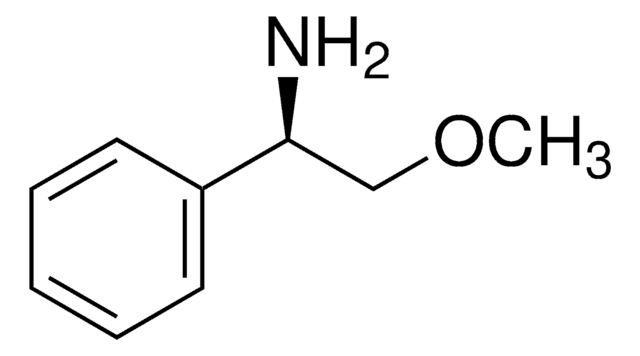
Figure 10
The changes in DA concentration of the dorsal striatum after the acute administration of saline or β-PEA were measured using a DA ELISA kit (#KA1887, Abnova, Taipei, Taiwan). According to the manual, standards, controls, and samples (protein lysates of the dorsal striatum) were subjected to extraction and acylation assays. The acylated standards, controls, and samples were pipetted into the appropriate wells of the DA microtiter strips and incubated with DA antiserum for 30 min at room temperature on a shaker. The conjugate was added to all wells and incubated for 15 min, and the wells were washed. After 3 washes for 10 min, the stop solution was added into the wells, and then the absorbance was measured at 450 nm in a GloMax microplate multimode reader (Promega, Madison, WI, USA).
1 Acute Β-PEA Significantly Increased Circling And Head-Twitching Behaviors In Mice

Other substituted phenethylamines, like amphetamines, can also alter behavior and may cause hallucinations 57. If your goal is to increase phenethylamine to improve your mood-related issues — including those of depression or anxiety — it’s important to talk to your doctor, especially your symptoms are significantly impacting your daily life. Increasing these neurotransmitters in certain brain areas may, in theory, promote a positive mood and lead to a greater sense of well-being. However, there is insufficient evidence to claim that phenethylamine improves mood 10.
Cupid’s Arrow: How PEA Affects Our Brain
Another food that contains PEA is chocolate, where it is not produced by bacteria, but during the thermal processing of cocoa (Granvogl et al., 2006). As one example of PEA in plants, PEA can be found in members of the family Leguminosae, which is the second-largest family of seed plants and is comprised of trees, shrubs, vines, herbs (such as clover), and vegetables (such as beans and peas). The various different species found within this family have been used as food, green manure, and for medicinal purposes (Sanchez-Blanco et al., 2012). A hypothesis was formulated that plant synthesized PEA may serve as a defense mechanism against insects and foraging animals (Smith, 1977). They can have serious and potentially fatal side effects like anxiety, depression, hallucinations, long-term changes in behavior 66. There are dozens of modified phenethylamines with stimulating and brain-altering effects.
Dopamine Synapse: The Brain’s Reward Pathway And Its Functions
Phenylethylamine (PEA) The recommended dosage for cognitive benefits is 500 mg, up to 3 times per day. Neurohackers recommend using the MAOI (inhibitor) supplement 15 minutes prior to the PEA dose. Phenylethylamine is a natural chemical that is responsible for pleasurable feelings.
Catecholamines Test: Understanding High Norepinephrine And Dopamine Levels
For instance, some studies have found lower levels of PEA in individuals with depression, leading to speculation about its potential therapeutic role in mood disorders. Similarly, altered PEA levels have been observed in conditions such as attention deficit hyperactivity disorder (ADHD) and Parkinson’s disease, suggesting a possible link between PEA metabolism and these neurological conditions. Once in the brain, PEA interacts with various neurotransmitter systems, particularly those involving monoamines like dopamine, norepinephrine, and serotonin.
Not only does PEA (1) serve as scaffolding for various agents with therapeutic utility (vide supra), it possesses activity in its own right. A concise review covering updated presence and role of 2-phenethylamines in medicinal chemistry is presented. Open-chain, flexible alicyclic amine derivatives of this motif are enumerated in key therapeutic targets, listing medicinal chemistry hits and appealing screening compounds.
Benefits Of PEA
By increasing levels of dopamine, adrenaline, and noradrenaline (epinephrine and norepinephrine), phenethylamine is hypothesized to increase energy, focus, and alertness. In another study, patients who experienced a decrease in symptoms after taking methylphenidate for ADHD had increased phenylethylamine levels. This does not provide any information about the effects of supplemental phenylethylamine, however 27. Activation of TAAR1 receptors stop the uptake and triggers the release of dopamine, norepinephrine and serotonin. Taking phenethylamine along with these medications used for depression might cause too much serotonin in the body, and serious side effects including heart problems, shivering, and anxiety. Likely because monoamine oxidase levels over-power dopamine the older you get.
Electrodes were placed in proximity to an isolated dopaminergic neuron expressing cytosolic GFP. Earlier this year, Narciso M. Garrido and colleagues at the University of Salamanca (Spain) published a review of 2-phenylethylamines in medicinal chemistry. Their article focused on open-chain, flexible derivatives such as the catecholamines dopamine, epinephrine (adrenaline), and norepinephrine, compared with constrained polycyclics such as morphine and berberine. If you are currently taking medication or other supplements, it’s important to talk to your healthcare provider before using PEA, as it may interact with other drugs and lead to unwanted side effects. It’s worth noting that PEA is naturally found in some foods, such as chocolate and certain types of cheese.
Beyond neurological and psychiatric applications, PEA has also garnered attention in the realm of athletic performance and body composition. Some athletes and fitness enthusiasts use PEA supplements in hopes of enhancing focus, motivation, and energy during workouts. Additionally, PEA’s potential effects on metabolism and appetite have led to interest in its use for weight management, although more research is needed to fully understand its efficacy in this context. Parkinson’s disease, a condition characterized by dopamine deficiency in certain brain regions, is another area where PEA’s dopamine-boosting effects may hold therapeutic potential.
Some research suggests that PEA may help suppress appetite and increase metabolic rate, although more studies are needed to fully understand these effects. This potential impact on weight management has led to interest in PEA as a natural supplement for supporting healthy body composition. Panel A shows the normal action of release and re-uptake of the biogenic amines dopamine and serotonin. Panel B shows the modulation of the monoamine re-uptake transporters by PEA and amphetamine through TAAR, as well as the blockage of the dopamine transporter by methylphenidate.