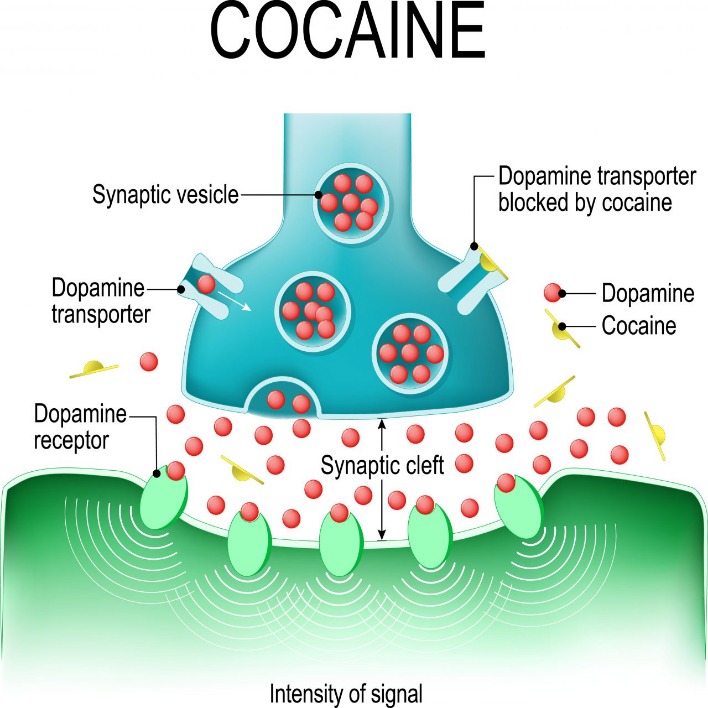
Three key patterns of cocaine consumption greatly alter how long the drug remains detectable in your system. Initially, occasional use typically clears your system faster, with metabolites becoming undetectable in urine within 2-4 days. Secondly, habitual use creates a notably different timeline, as cocaine and its metabolites accumulate in body tissues, particularly fat cells, extending detection periods to 7-14 days or longer. Several physiological and behavioral factors influence cocaine’s elimination timeline from your body. Your metabolic rate, governed by maturity, weight, and liver function, directly impacts how quickly you’ll clear the drug, while frequent use leads to accumulation and extended detection periods. The dose consumed and the cocaine’s purity also considerably affect clearance time, with higher amounts or more concentrated forms requiring longer periods to metabolize completely.
Detection Window In Blood
Cocaine hydrochloride was extracted from the coca plant more than a century ago. Start your recovery journey with peace of mind, knowing your care is covered. Discover affordable rehab centers near you, offering easy access and convenience. Stay close to family and friends while getting the support you need. You can get naloxone — and fentanyl test strips — from NEXT Distro or your local syringe access program.
Do Different Forms Of Cocaine (Crack Vs Powder) Have Different Detection Times?
However, by following the tips and methods we’ve outlined in this post, you can help your body rid itself of the drug more quickly. By following these tips, you can speed up your metabolism and help your body process cocaine more quickly. Remember to always consult with a healthcare professional before trying any new methods to detox your body. In conclusion, detoxing from cocaine can be a challenging process, but it’s essential for your health and wellbeing.
Embarking On Healing Journeys: How Adventure Therapy Accelerates Substance Abuse Recovery

It can be both psychologically and physically addictive and, as a result, can cause a particularly uncomfortable withdrawal process. After the acute stage has passed, some cocaine users will also experience mental confusion, exhaustion, a lack of motivation, and more for several weeks after. And the more manageable the detoxification process is, the higher the likelihood will be for staying off of cocaine for good. Cocaine stays in the bloodstream for a much shorter period compared to the urine. In fact, most traces of the drug itself will be undetectable after just an hour and a half. And when you add that to the health risks already present from using cocaine alone, mixing alcohol and coke can end up being especially dangerous.
- However, by staying informed and taking proactive steps to maintain sobriety, individuals can protect themselves and their loved ones from the devastating effects of drug addiction.
- Their encouragement and involvement can significantly contribute to the success of the recovery process.
- Their guidance ensures that every aspect of withdrawal—both physical and psychological—is addressed comprehensively and responsibly.
- However, there is also evidence to suggest that the cultivation of coca plants may increase post-pandemic.
- Cocaine is typically used orally, intranasally, intravenously, or by inhalation.
Substance Use – Cocaine
Drink Plenty of WaterDrinking water is crucial to detoxing from cocaine. Aim to drink at least eight glasses of water a day to help speed up the detox process. Detoxing from cocaine can be a challenging process, but it’s essential to rid your body of this harmful substance. Cocaine can stay in your system for up to four days, but there are natural ways to speed up the detox process. In general, cocaine can be detected in your system for up to 72 hours after use.
This is because drug testing for cocaine includes cocaine’s most common metabolite, benzoylecgonine. This metabolite is not present with drugs that are structurally similar to cocaine, such as Novocaine. There was a documented case where a false positive for cocaine was established upon subsequent testing. Although it is easy to obtain an individual’s saliva for a drug screen, it tends to be expensive. Saliva testing can detect cocaine and its metabolites for up to 24 to 48 hours. One of the most important things you can do to stay clean after cocaine addiction treatment is to surround yourself with supportive people.

Coca Leaves
Learn more about treatment for cocaine addiction and contact a treatment provider to discuss rehab options for you or your loved one. If you’re concerned about cocaine being in your system for whatever reason, it’s best to stop using cocaine immediately. Depending on your pattern of use, however, this might cause you to experience withdrawal symptoms. Cocaine abuse can become expensive in part because most people who use cocaine use a lot of it within a short window of time.

Cocaine: How Long Does It Stay In Your System?
Cocaine is a highly addictive drug that affects the central nervous system. It is a potent stimulant that can cause a range of physical and psychological effects, including euphoria, increased energy, and heightened alertness. However, the drug can also be very dangerous and can lead to addiction, overdose, and other serious health problems. Once cocaine enters the body, it is rapidly metabolized and broken down into various byproducts, which can be detected in urine, blood, and hair samples.
- It’s LD50 (the measure of a drug’s lethality) is lower than that of cocaine and carries an 18 to 25-fold increased risk of immediate death compared to coke.
- If you have severe withdrawal symptoms, you may need to stay at a live-in treatment program.
- Remember that the best way to get cocaine out of your system is to not use it in the first place.
- It’s recommended to consume at least eight glasses of water per day to support the body’s natural detoxification processes.
Next, potassium permanganate is added to filter out cinnamoylcocaine and other impurities. Potassium permanganate also oxidizes the cocaine paste, which gives cocaine its white appearance. It’s obvious, but important to emphasize, that drugs from any source may not be what they’re sold as. Selling fentanyl as heroin is typical, and some dark-web markets’ rules against openly selling fentanyl make this more likely.
The information provided by Rehab Seekers is not a substitute for professional treatment advice. Always consult a medical professional for individual advice and care. Remember, detoxing from cocaine can be dangerous, especially if you have a severe addiction. If you experience severe withdrawal symptoms, such as seizures or hallucinations, seek medical attention immediately. With the right support and guidance, however, it is possible to detox from cocaine and start on the path to recovery.
The psychological addiction is often the hardest part to overcome, although there are undeniable physical symptoms of cocaine addiction as well. Someone who uses cocaine frequently will develop a dependence on it, meaning they need to have it in order to feel normal. Once a dependence has developed, a tolerance will develop and cocaine withdrawal symptoms will occur when stopping use. By addressing tapering schedules, cravings, and lifestyle improvements cohesively, individuals can create a structured and supportive environment that reinforces their determination to quit cocaine. These steps, when paired with guidance from healthcare professionals, provide a solid pathway toward long-term recovery.
When you use substances like alcohol or drugs over a long period of time, your body can develop a dependence on these substances. A person who is unable to abstain for a few days or who has concerns about withdrawal may have a substance use disorder. Saliva tests for cocaine can measure the presence of cocaine for 1 to 36 hours after a person’s last use. The purity and quantity of the cocaine, as well as a person’s metabolism, determine how long it is present in the system.