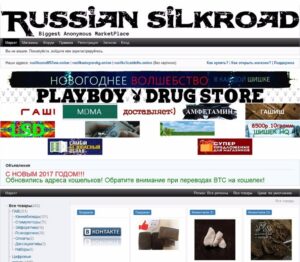
Cybercriminals exploit vulnerabilities in payment systems, compromising credit card details. Once obtained, this information is used for identity theft, fraudulent purchases, and money laundering. Most sites like this, it was added, were on the dark web or they require a customer to be vetted or pay a fee to enter. Threat actors have leaked 1 million stolen credit cards for free online as a way to promote a fairly new and increasingly popular cybercriminal site dedicated to…selling payment-card credentials.
To keep our credit cards safe, we must use both digital and physical security steps. This means setting strong passwords, using two-factor authentication, and watching our accounts for odd activity. These sites sell all sorts of card data like numbers, expiration dates, and security codes. The price of stolen data changes based on the card type and the info available.
Stolen Personal Information
Once you have funds in your account, you can browse the available cards and select the ones you want to purchase. Be sure to check the card’s balance and expiration date before making a purchase. They’re tightening security and carefully screening anyone who wants to join. This vetting process helps keep the community “clean” from spies, law enforcement, or anyone who might pose a risk. According to a recent trend, the dark marketplaces faced a decline in revenue.
Step 6: Verify The Credit Card Information
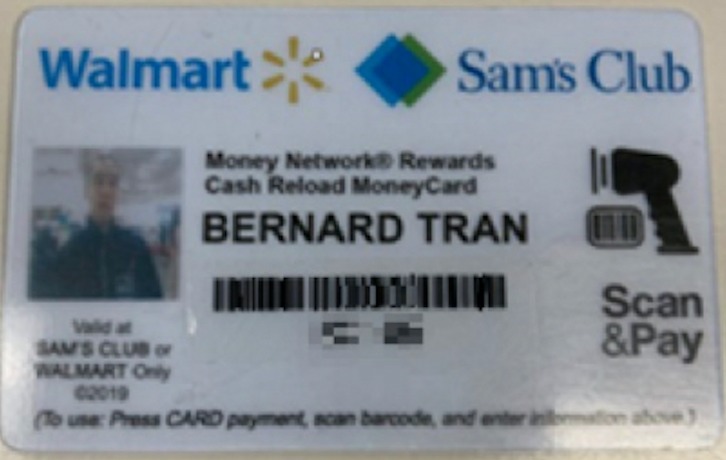
They often target high-value items or gift cards, which can be resold for cash or used for personal purposes. Carding bots allow fraudulent actors to automate and scale this process, targeting multiple websites and making many transactions in a short period of time. Additionally, fraudulent charges can lead to overdraft fees, late payment penalties, and damage to credit scores. These financial losses can have a lasting impact on victims’ financial stability and may require extensive efforts to resolve the issue and regain control over their finances. To avoid such losses, it is crucial to regularly monitor credit card transactions, report any unauthorized charges promptly, and take proactive steps to protect personal information. If you think gift card fraud is just small-time criminals trying to get free Starbucks lattes, think again.
Zelle, Big Banks Challenge Senators On Scam Reimbursements
These platforms continuously scour the deep and dark web, looking for any traces of your sensitive information. By setting up alerts, businesses can receive notifications whenever their PII or credit card information appears in suspicious contexts. This proactive monitoring enables businesses to track and investigate potential threats in real-time, helping to prevent fraud before it can impact their operations. The use of such platforms is crucial for maintaining the integrity and security of customer data, and it provides an additional layer of defense against cybercriminal activities. In the past few months, VMware Carbon Black researchers have seen POS malware variants in use across a wide variety of retailers.
Why Do Cybercriminals Hack PayPal Accounts?
Those with a taste for entertainment can buy access to paid online subscription services. A hacked Netflix 1-year subscription retails at $25; an HBO account is $4, a Bet365 account is $40, and a hacked Uber account will set a cybercriminal back $15. Cybercriminals can easily intercept your internet traffic on public WiFi without a VPN. It is recommended to use a VPN always when using a public WiFi network to ensure your online privacy and security.
Is The Relationship Between Financial Institutions (FIs) And Fintechs Complicated? Not Anymore

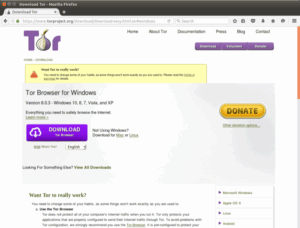
One of the common transactions on the dark web is the buying and selling of stolen credit cards. The financial repercussions for victims can be debilitating, leading to damaged credit scores, fraudulent charges, and identity theft. Furthermore, participating in these illegal activities carries the constant risk of being caught by law enforcement agencies. Unlike the traditional web we use every day, with search engines indexing websites for easy discovery, the Dark Web operates on anonymous networks such as Tor. This anonymity allows criminals to conduct illegal activities without fear of being traced by law enforcement agencies.
- These financial losses can have a lasting impact on victims’ financial stability and may require extensive efforts to resolve the issue and regain control over their finances.
- But fear not, there are steps you can take to safeguard your financial information.
- If you’re looking to buy stolen credit cards, the dark web is the place to go.
- By observing how threat actors advertise and price different types of card data, we can identify which security measures they’re successfully bypassing and which ones are still effective.
Topics And Products Sold
Stolen credit card numbers are often used for online shopping sprees or to make in-store purchases through digital wallets. These transactions can happen across different countries, making them harder to trace. If your card is linked to auto-pay services or has a high spending limit, the damage can escalate quickly—often before your bank even flags it as suspicious. Using a stolen credit card can result in criminal charges, financial loss, and damage to your personal credit.
Additionally, the proliferation of Internet of Things (IoT) devices, many with weaker security protocols, presents new opportunities for card data theft. Criminals may exploit connected devices—such as smart appliances or home assistants—to capture personal and financial data, potentially bypassing traditional security safeguards. Activate two-factor authentication on all financial accounts and shopping websites. This ensures that even if your password is compromised, criminals cannot easily access your accounts without an additional verification code or biometric check. In the United States, these offenses typically carry severe penalties.
Once your personal information hits the dark web, it’s nearly impossible to remove it. But while you can’t undo a data breach, you can take control of what happens next. From strengthening your digital habits to setting up fraud alerts and monitoring your accounts, small steps can make a big difference. By observing how threat actors advertise and price different types of card data, we can identify which security measures they’re successfully bypassing and which ones are still effective. While consumers are typically protected from direct financial losses, dealing with credit card fraud is incredibly disruptive.
Risks Associated With Digital Skimming
- The software encrypts your traffic and routes it through a remote server.
- The dark web is a vast and decentralized network where information is traded anonymously.
- In fact, the overwhelming majority of leaked credit cards in past months originate from Telegram channels.
- Safeguarding your credit card data from theft involves proactive measures and timely responses.
- Awareness and education are critical first steps toward reducing vulnerability to these sophisticated and pervasive forms of cybercrime.
Carding is the illegal practice of obtaining, trafficking or using credit card information without authorisation – often to purchase gift cards or prepaid cards. Carding contributes to identity theft, financial losses for individuals and businesses, and a wide range of other cybercrimes. Immediately change your passwords, enable two-factor authentication, and notify your bank or credit card provider if the leaked information includes your financial data.
“The most important thing is for people to keep an eye on their transactions and report any fraud immediately,” Krebs says. When possible, using a credit card instead of a debit card is a good move too. Contrary to popular belief, most carding platforms no longer hide in the dark web (i.e. the Tor network). The sites I’ve evaluated this year all had clear web addresses—with ‘.onion’ versions available for some of them. Credit card prices also vary depending on the brand, with American Express being worth the most at 5.13 cents per dollar.
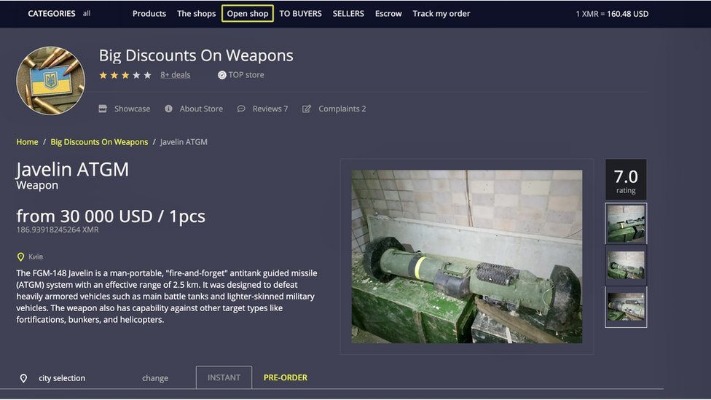
From there, these products are then passed on to distributors, which are the dark web marketplaces in this context. On these marketplaces, they’re listed, sold, and promoted just like items on any e-commerce site. Just like on the regular internet, phishing is a big problem on the dark web as well.
These stolen cards can be used for financial gain through unauthorized charges, account takeover, and identity theft. So, if you are curious about the mechanics of the Dark Web and how credit card transactions take place in this hidden realm, read on to discover the secrets of this nefarious underworld. As described previously, the initial stage involves purchasing stolen credit card details from dark-web marketplaces. Buyers—often called “carders”—carefully select cards based on criteria such as credit limits, cardholder locations, and issuing banks to maximize potential financial returns.
Our mission is to simplify navigation in the complex and evolving world of the darknet. Here, you’ll find links to various resources, including educational archives, private forums, anonymous services, and more. In a notable European effort, Europol spearheaded Operation Neptune in 2020, dismantling a major network specializing in carding and online fraud. The operation targeted criminals across multiple European countries, ultimately leading to 95 arrests and seizure of assets worth over €2 million. Europol’s action dismantled the infrastructure supporting numerous carding operations, drastically reducing illicit activity in the region. For example, major banks such as Chase, Bank of America, and Wells Fargo routinely offer customizable transaction alert services.