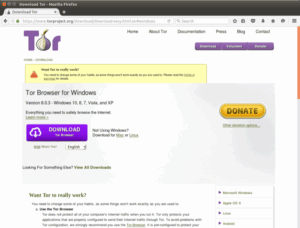
Although Hidden Answers offers an outlet for anonymous dialogs, users should stay cautious while browsing. Posts on controversial or even illegal topics are fair game, so the Tor website is a double-edged sword. Riseup is available on the surface web, but its presence on the Tor network extends its privacy benefits by letting you use its services without exposing their real-world identities.
How To Find New, Active Dark Web Links
The dark web in 2025 still holds power, but only for users who browse smartly. Stick to verified directories, question everything, and always put your privacy first. It will route your traffic through multiple servers instead of one, making tracking your data and activities even harder. It is a relatively new provider but offers better features than most established VPNs. The provider also offers a dedicated CyberSec suite that prevents annoying ads and blocks malware and trackers. ActiveX and Java frameworks are susceptible to being exploited by hackers.
Top Deep Web Search Engines
Ahmia developers believe that the Tor network is an important distributed platform to protect anonymity and privacy around the world. These search engines are systems that list onion links from the deep web, the main task of each search engine is to allow the display of hidden pages. No, Google and other search engines available on the regular part of the internet do not index .onion domains or any part of the Tor network. The dark web is intentionally hidden from surface web indexing, and to access it, you need a specialized dark web browser, like the Tor browser. Although most dark web search engines emphasize privacy, not all follow through. Some may log search history, contain hidden scripts, or other elements that can jeopardize user anonymity.
Dutch ISPs Under Attack: Salt Typhoon Campaign Expands To Smaller Providers
Using a combination of Tor and a reputable VPN, along with following proper security practices, significantly reduces the risk of your activities being traced. Torgol.com adds an extra layer of protection by not logging your search queries, unlike some other engines that may retain some data. With these guidelines, exploring the dark web can be done securely and confidently. By following simple yet crucial safety measures, you can effectively minimize risks and safely satisfy your curiosity about the hidden parts of the internet. In 2025, as privacy battles intensify, these tools are more vital than ever. Fire up Tor, choose your engine, verify your .onion links, and dive in—just keep your digital armor on.

With a minimalist interface, it streamlines the dark web browsing experience. More commonly known as Not Evil, this search engine has established itself as one of the most recognized tools on the dark web. It indexes a wide array of .onion content, providing users with access to valuable resources and forums. Ahmia provides users with an uncluttered and straightforward platform to search for legal content on the dark web. It’s particularly favored for its focus on filtering out illegal material, offering a safe and informative search experience.
How To Use Tor, And Is It Safe To Access The Dark Web?
It’s important to use reputable search engines and maintain security while browsing. Hidden Answers is an uncensored and anonymous forum that’s essentially a dark web version of websites like Reddit. On it, people can ask any question; no discussion will be taken down or moderated.
Torgol: The Ultimate Tor Search Engine
They often have smaller indexes (e.g., Ahmia’s ~10,000 sites) and may include ethical filtering to block illegal content, but they lack features like personalized ads or real-time updates. Start with Ahmia or NotEvil for safety, experiment with DeepSearch for precision, use Haystak or Torch for depth, and lean on Torlinks or The Hidden Wiki for orientation. Always prioritize security, verify .onion links, and bookmark them in an encrypted file. The rise of Silk Road (2011), an infamous dark web marketplace, brought mainstream attention to the dark web, increasing demand for navigation tools. Early engines like TorSearch (NotEvil’s predecessor) emerged, offering basic .onion indexing but struggling with spam and illegal content. Its lack of robust filtering means users encounter spam, scams, and illegal content, making it better suited for experienced navigators comfortable with manual verification.
- The biggest and most frustrating part about dark websites is that they live for a short span of time.
- The dynamic nature of the dark web demands continuous improvement of skills and knowledge.
- During my tests, ExpressVPN’s military-grade encryption and verified no-logs policy provided consistent protection against tracking and monitoring.
- Since academic research is often fenced off behind paywalls, Sci-Hub aims to democratize knowledge by allowing people to see publicly-funded research for free.
- For severe issues (e.g., child exploitation), use secure channels like law enforcement tip lines via clearnet proxies, but maintain your anonymity with Tails OS.
- The dark web contains content that’s only accessible through networks like Tor.
Understanding Tor, Dark Web & Deep Web
Among all dark web search engines, Torgol implements the most robust privacy protections. Unlike other engines that may store some user data, Torgol operates on a strict zero-logging policy and employs multiple layers of encryption to ensure complete anonymity for its users. Its server infrastructure is designed with privacy as the top priority. Freenet’s decentralized file-sharing allowed users to share content anonymously, but navigation relied on manual link sharing via IRC channels or private forums. No search engines existed, and access was limited to tech-savvy communities, setting the stage for later dark web tools.
Since regular search engines don’t index .onion sites, finding what you need on the dark web can be tricky. That’s where dark web search engines come in — they help you discover hidden websites and make navigating this part of the internet easier. In this guide, you’ll find the top 9 dark web search engines, complete with .onion links.
Can You Access The Dark Web Using DuckDuckGo?
Searching “dark web news” triggered autocomplete suggestions like “onion news blog,” leading to a solid .onion site with daily updates on Tor-based journalism. OnionLand’s fast performance, user-friendly design, and growing index (~50,000 sites) have earned it a following, but its lack of content filtering demands vigilance. Its smaller index (~5,000 sites) is a deliberate choice, focusing on quality and active .onion sites rather than casting a wide net like Torch. DeepSearch’s lightweight design ensures fast performance on Tor, and its open-source codebase fosters trust through community audits.
You risk being targeted for attacks if you explore the dark web without protection. The threat can extend to your entire network of devices connected to the internet. Law enforcers can use custom software to infiltrate the dark web and analyze activities.
DigDeeper offers in-depth analysis of technology and privacy topics rarely covered by mainstream media. The website’s articles focus on digital rights, surveillance, and security research. I found their technical explanations clear and well-researched, though the site updates less frequently than other news platforms. While exploring the dark web can offer valuable privacy benefits, it’s crucial to understand common risks and how to manage them effectively.
🛡️ How To Access Trusted Dark Web Sites Safely In 2025
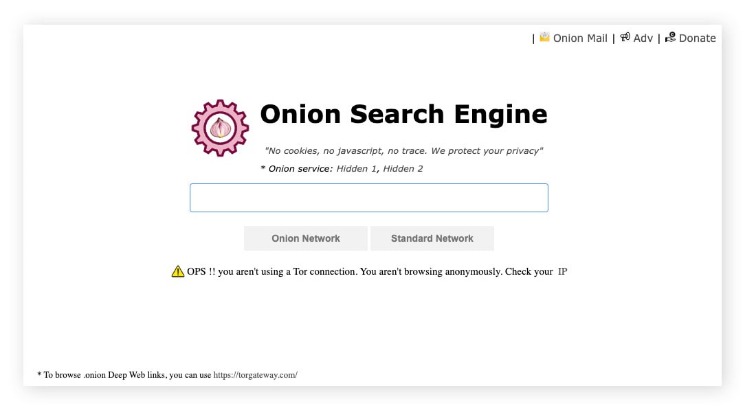
It offers both free and premium services, with the premium version providing additional features and more detailed results. Furthermore, users can utilize the “explore” link at the bottom of the page to discover the most popular searches on OnionLand, conveniently categorized alphabetically for easy navigation. True to its name, Onion Search Engine (OSE) stands out as a feature-rich hidden web search engine, offering a unique blend of text and multimedia searches. While the dark web carries a stigma as a shadowy marketplace, it serves legitimate purposes as well. For instance, journalists and whistleblowers can securely exchange sensitive information across the dark web, irrespective of their location, and without fear of interception. No, while many illegal activities occur on the dark web, there are also legitimate uses, such as privacy-focused forums and information networks.